
Ukrainian, English and Spanish – fluent, French – advanced
Literature/Research/Discover Ukraine Online
Artem Chapeye
Novelist, reporter, translator, serviceman
Based in Kyiv, Ukraine
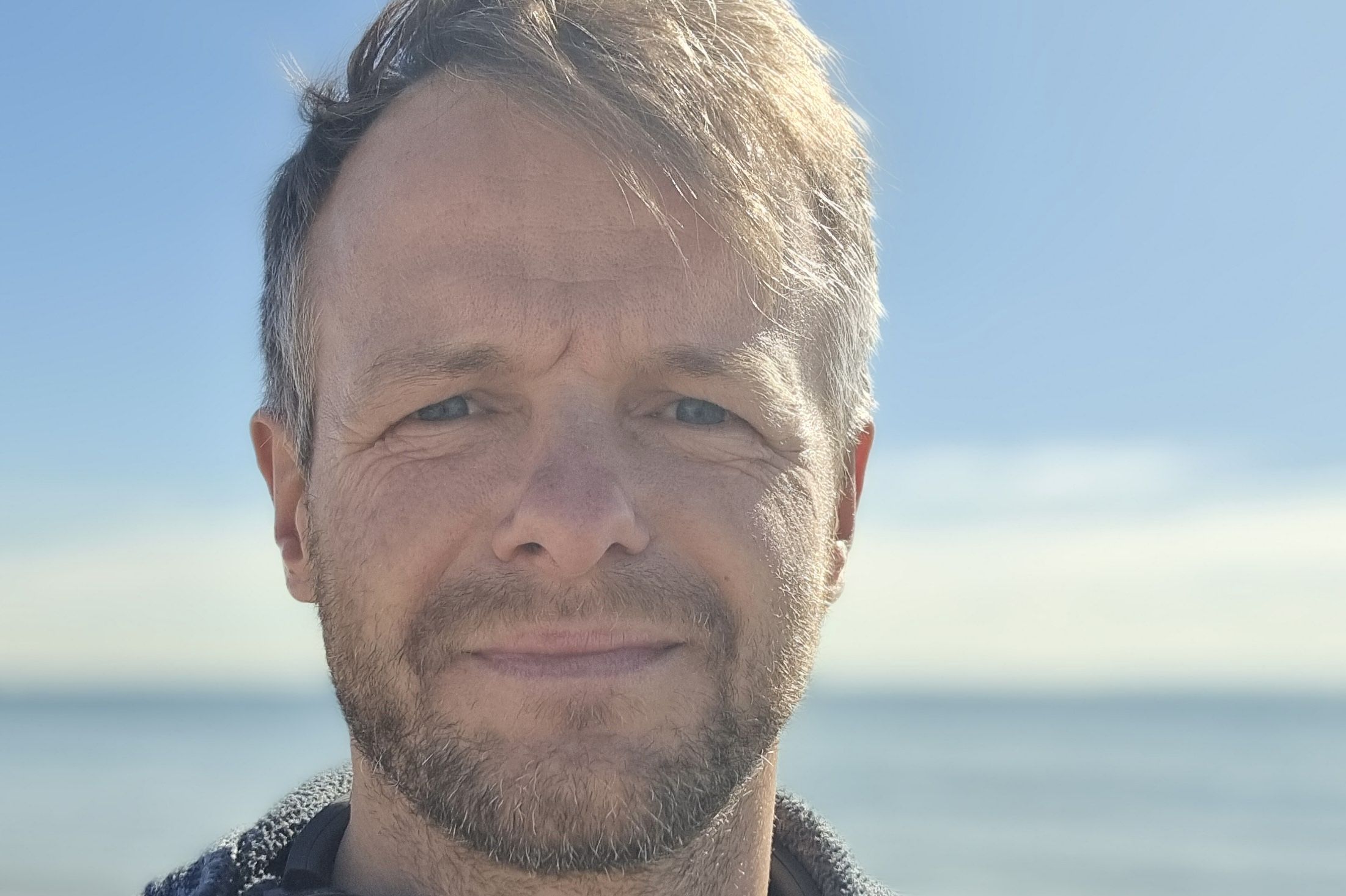
Photo: courtesy of Artem Chapeye
To view the full-size version, click here
Artem Chapeye's work has been translated into eleven languages and has reached some of the most visible platforms in English-language letters: the title story of his collection The Ukraine (2018) ran in The New Yorker, the book was shortlisted for the 2025 EBRD Literature Prize and reviewed in The Washington Post and The Guardian, and his memoir Ordinary People Don't Carry Machine Guns (2025) was named among The Washington Post's 50 notable works of nonfiction from 2025.
Across genres, his work returns repeatedly to lives easily overlooked and increasingly sets documentary testimony against speculative invention, using imagined futures to say what direct witness cannot. His most recent novel, T-Happiness (2026), and its predecessor The Weathering (2021) extend that method into fiction shaped by digital-age alienation, memory, and trauma.
Chapeye was a finalist for the Kurt Schork Award in International Journalism (2015) and held both the Central European Initiative Fellowship for Writers in Residence (Slovenia) and the Paul Celan Fellowship for Translators (Austria) in 2013. His translations into Ukrainian include work by Mahatma Gandhi, Edward Said, Noam Chomsky, and Charles Taylor.
Selected translations
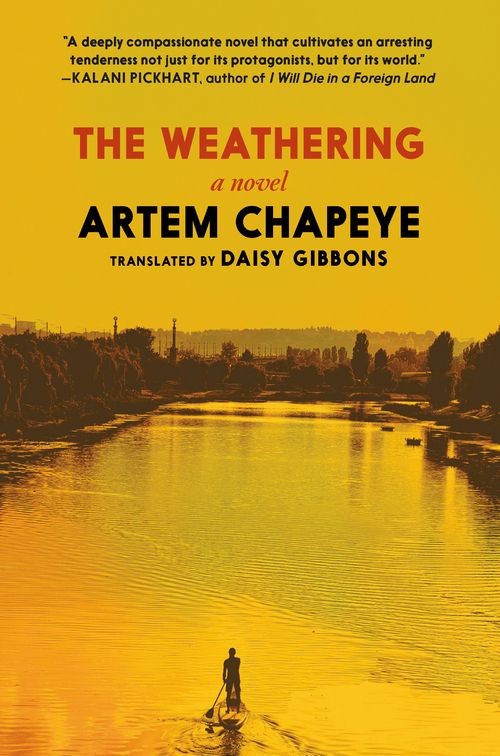
The Weathering
Language: English
Translator: Daisy Gibbons
Year: 2026
Publisher: Seven Stories Press
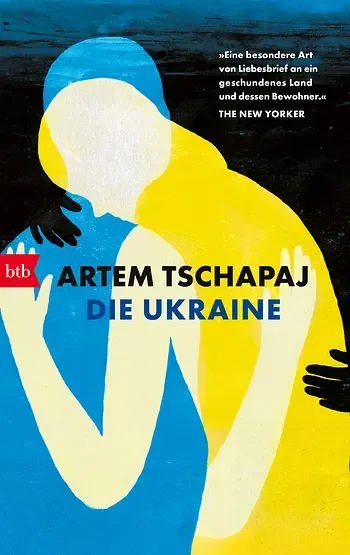
Die Ukraine
Language: German
Translator: Jutta Lindekugel
Year: 2025
Publisher: btb Verlag
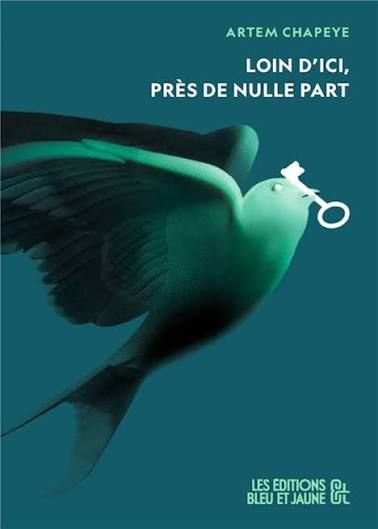
Loin d’ici, près de nulle part
Language: French
Translator: Justine Donche-Horetska
Year: 2021
Publisher: Les Éditions Bleu et Jaune
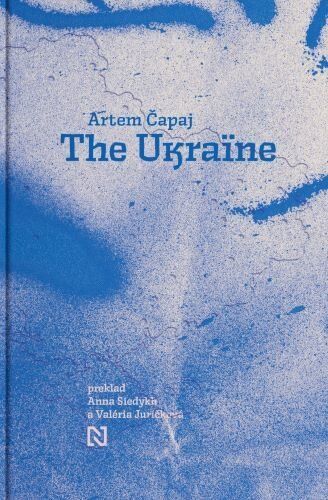
The Ukraїne
Language: Slovak
Translators: Anna Siedykh, Valéria Juríčková
Year: 2024
Publisher: N Press
For a full list of Artem Chapeye’s publications in other languages, click here
The New Yorker
Artem Chapeye on Defending Ukraine
By Deborah Treisman
The author discusses “The Ukraine,” his story from the latest issue of the magazine.
The Washington Post
‘The Ukraine’ is more interested in the human than the heroic
Review by Talya Zax
Artem Chapeye’s stories are largely about average people toughing it out through normal challenges.
The Kyiv Independent
‘I feel like I lost 3 years’ — Ukrainian author turned soldier Artem Chapeye on culture during war
By Kate Tsurkan
In this conversation with the Kyiv Independent during the international Book Arsenal Festival, Ukraine’s largest literary event, Chapeye reflects on the creative cost of war, his fears that the world will only associate Ukraine with war, and the surprising role artificial intelligence might play in leveling the literary playing field for authors working in "small" languages.
Ukraine World
“I’m a Civilian Who Had to Defend His Country”: The Story of a Ukrainian writer and Serviceman
By Nika Krychovska
In this interview, Artem Chapeye speaks about the start of Russia's full-scale invasion, reflects on his time in the military, shares what he's been reading, and discusses how the war has reshaped his writing. We also include excerpts from his latest book.
Seven Stories Press
Seven Questions with Artem Chapeye
A short interview with the author of “The Ukraine,” “Ordinary People Don’t Carry Machine Guns,” and the newly released debut novel “The Weathering”.
Words Without Borders
Persevering Even After the End of the World: Artem Chapeye’s The Weathering
By Cory Oldweiler
“Readers are given plenty to think about and the space in which to do their thinking,” writes critic Cory Oldweiler.
Chytomo
Confessions of a modern opium-eater: A review of Artem Chapeye’s ‘T-Happiness’
“T-Happiness,” Chapeye’s new novel published by Publisher XXI, is a post-apocalyptic vision that features both the familiar journey and the survival, but also a constant sense of a great explosion. The protagonist has survived and is trying to adapt to this new world, but his mind has been traumatized and fragmented. Chapeye isn’t taking us far away. This vision takes place in the present Russo-Ukrainian war, but differs from reality only in the emergence of new technology.
Awards and Honours
The Washington Post's List of 50 Notable Works of Nonfiction — USA, 2025
PEN Ukraine, "Best Ukrainian Books of 2025," Essay category, for Ordinary People Don't Carry Machine Guns: Thoughts on War — Ukraine, 2025
NV "100 People of Culture" List — Ukraine, 2025
PEN Ukraine, "Best Ukrainian Books of 2021," Ukrainian Prose category, for The Weathering — Ukraine, 2021
PEN Ukraine, "Best Ukrainian Books of 2019," Ukrainian Prose category, for Strange People — Ukraine, 2019
PEN Ukraine, "Best Ukrainian Books of 2018," Ukrainian Prose category, for The Ukraine — Ukraine, 2018
Kurt Schork Award in International Journalism, Finalist — USA, 2015
International Events & Appearances
Italian tour with the translation of Ordinary People Don’t Carry Machine Guns – Italy, 2026
University of Chichester — discussion of Ordinary People Don't Carry Machine Guns — UK, 21 May 2026
Veranda Books — English translation discussion of The Weathering — London, UK, 18 May 2026
Crossing Border Festival — The Hague, Netherlands, 8 May 2026 (part of a Netherlands tour that also included Rotterdam and Amsterdam)
Frankfurt Book Fair — Germany, 2025
European Literature Night — Ukrainian Institute of America — USA, 23 October 2025
Princeton University — "Writing in Ukraine to Resist Imperialism," Friends of Princeton University Library Small Talk— USA, 22 October 2025
Ukrainian Institute of America — "Books at the Institute" — USA, 2025
Voices from the Frontlines — Ukrainian Institute of America, PEN World Voices Festival (conversation with Artem Chekh and Iryna Tsilyk) — USA, 13 May 2023
Bibliography
Novels
The Red Zone / Червона зона (2014)
There Goes the Neighbourhood / Понаїхали (2015)
Strange People / Дивні люди (2019)
The Weathering / Вивітрювання (2021)
T-Happiness / Т-щастя (2026)
Short story collection
The Ukraine (2018)
Essay
Ordinary People Don't Carry Machine Guns: Thoughts on War / Не народжені для війни (2025)
Travelogues
The Venture / Авантюра: Практичні реалії мандрів по-бідняцьки (2008)
Traveling with Mamayota: In Search of Ukraine / Подорож із Мамайотою в пошуках України (2011)
Non-fiction
The Three Letter War (in collaboration with Kateryna Serhatskova) / Війна на три літери (2015)
Father on Paternal Leave / Тато в декреті (2016)
Contributions
Words and Bullets / Cлова і кулі (2024)
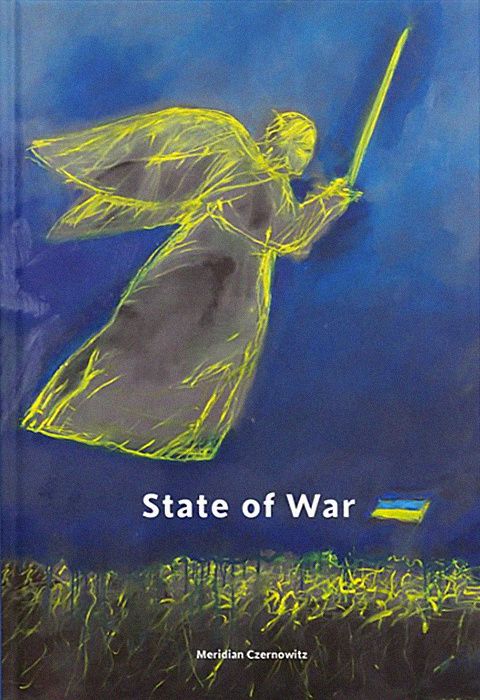
Воєнний стан / State of War. Anthology (2023)
Recommended events