
German, Polish, English, Russian, Spanish
Literature/Research/Discover Ukraine Online
Natalka Sniadanko
Novelist, essayist, journalist, translator, Research Associate in Ukrainian Literature at Leipzig University, Germany
Based in Leipzig, Germany
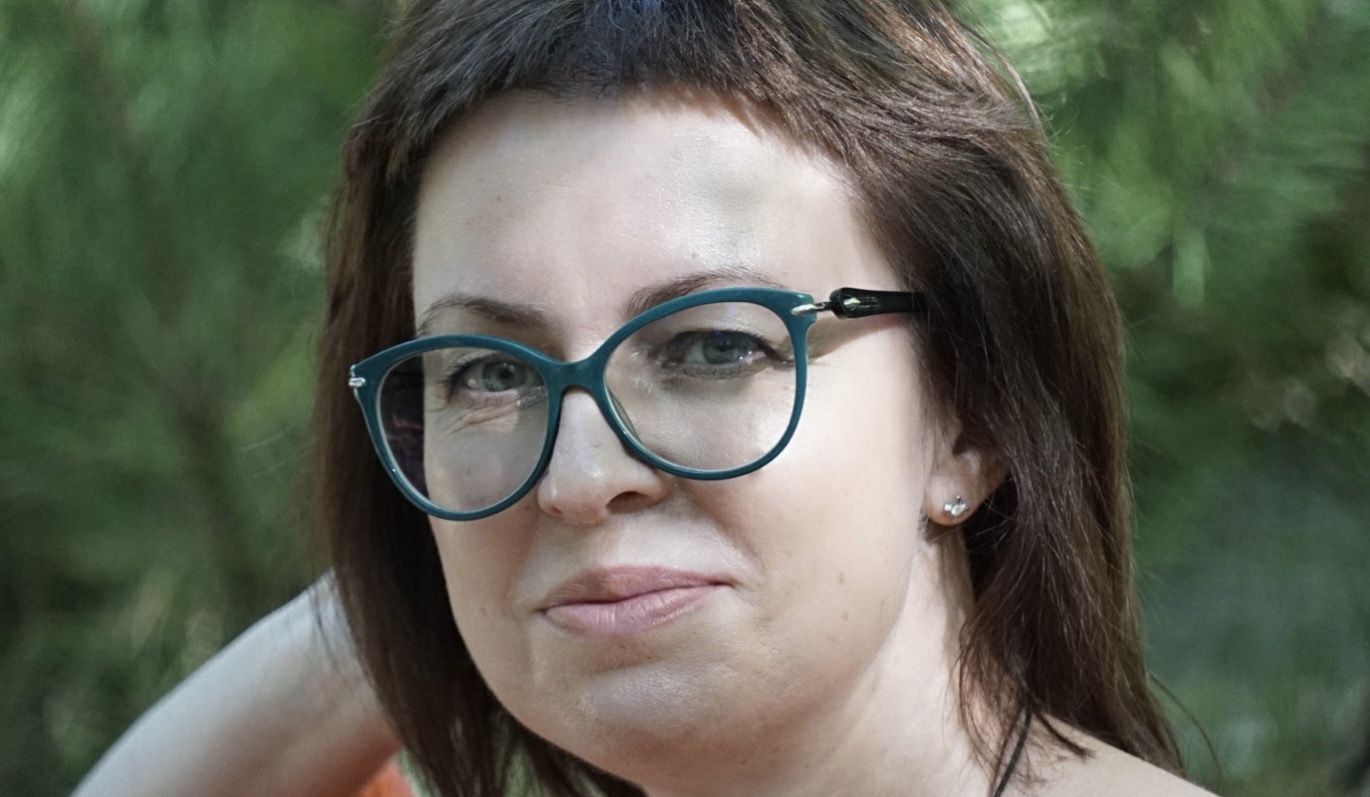
Photo: courtesy of Natalka Sniadanko
To view the full-size version, click here
Natalka Sniadanko’s 2001 debut novel The Passion Collection became a bestseller in Poland, and she went on to win Poland's Joseph Conrad Korzeniowski Literary Prize in 2011, Austria's Translators Award of the Federal Ministry of Education, Arts and Culture in 2016 for her translation of Elfriede Jelinek's The Piano Teacher, and the Paul Celan Scholarship for Translators in 2017. Her novel Archduke Wilhelm's Ordinary Exercise Books (2017) was longlisted for Poland's Angelus Central European Literature Award in 2023. In 2022, she became a corresponding member of the Bavarian Academy of Fine Arts.
Her novels – translated and published across Europe – moved from early explorations of Ukrainian identity and women's autonomy toward Central European historical memory: Archduke Wilhelm's Ordinary Exercise Books reconstructs the real life of Wilhelm von Habsburg, an Austrian archduke drawn into Ukraine's early twentieth-century independence movement, while The First Investigation of the Empress (2021) and Murders at the Burgtheater (2024) recast Empress Sisi as an amateur detective solving crimes in imperial Vienna. Across the range, critics note her fiction rarely has a single central hero, instead assembling separate stories into a mosaic. She has said creating strong women characters matters in every book she writes.
As a translator from German and Polish, she has brought Franz Kafka, Sigmund Freud, Nobel laureates Günter Grass, Elfriede Jelinek, Czesław Miłosz, Zbigniew Herbert, Herta Müller and others into Ukrainian. Her own journalism has appeared in Süddeutsche Zeitung and Gazeta Wyborcza, and her essays and short fiction have been translated into English for The New York Times, The Guardian, The New Republic, and Two Lines.
Genres
Translated into
Selected translations
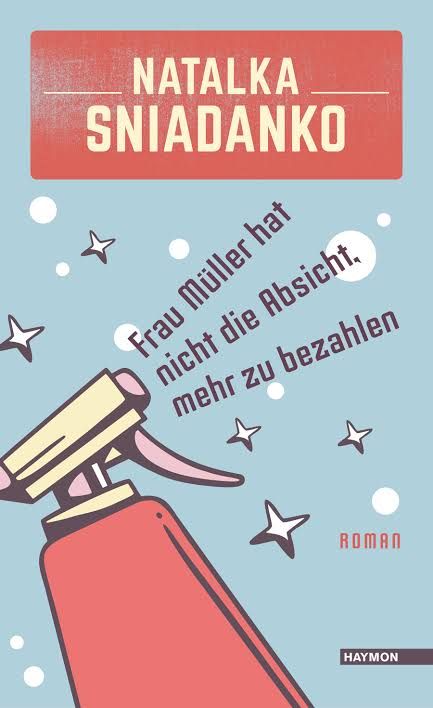
Frau Müller hat nicht die Absicht, mehr zu bezahlen
Language: German
Translator: Lydia Nagel
Year: 2016
Publisher: Haymon Verlag
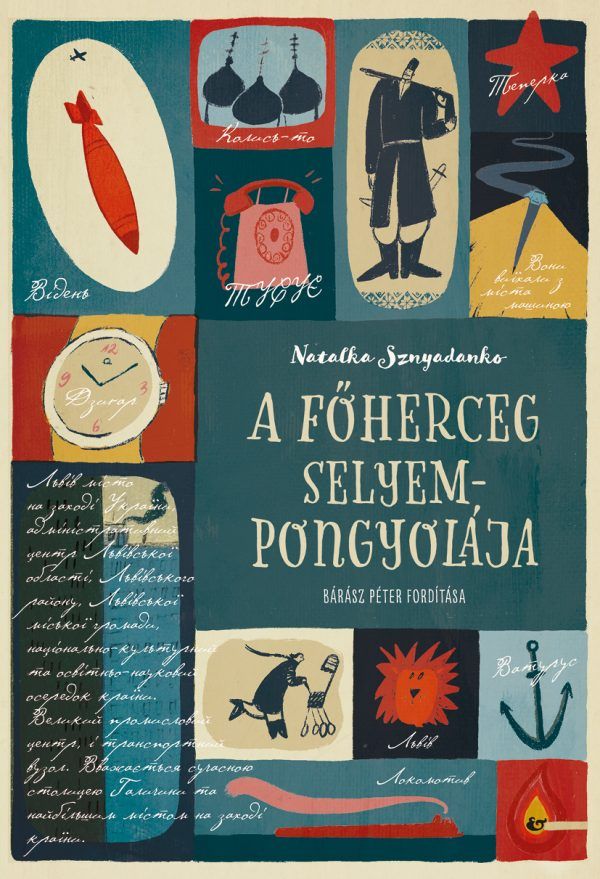
A Föherzeg Selyem – Pongyolája
Language: Hungarian
Translator: Bárász Péter
Year: 2026
Publisher: Ampersand
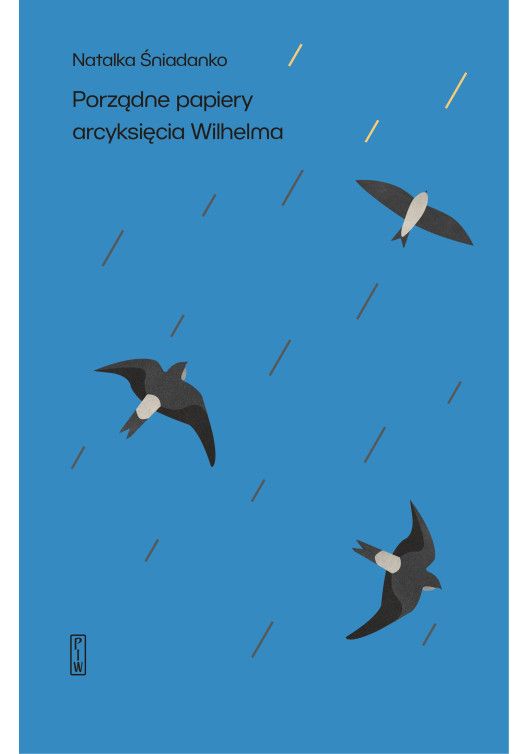
Porządne papiery arcyksięcia Wilhelma
Language: Polish
Translator: Bohdan Zadura
Year: 2022
Publisher: Państwowy Instytut Wydawniczy
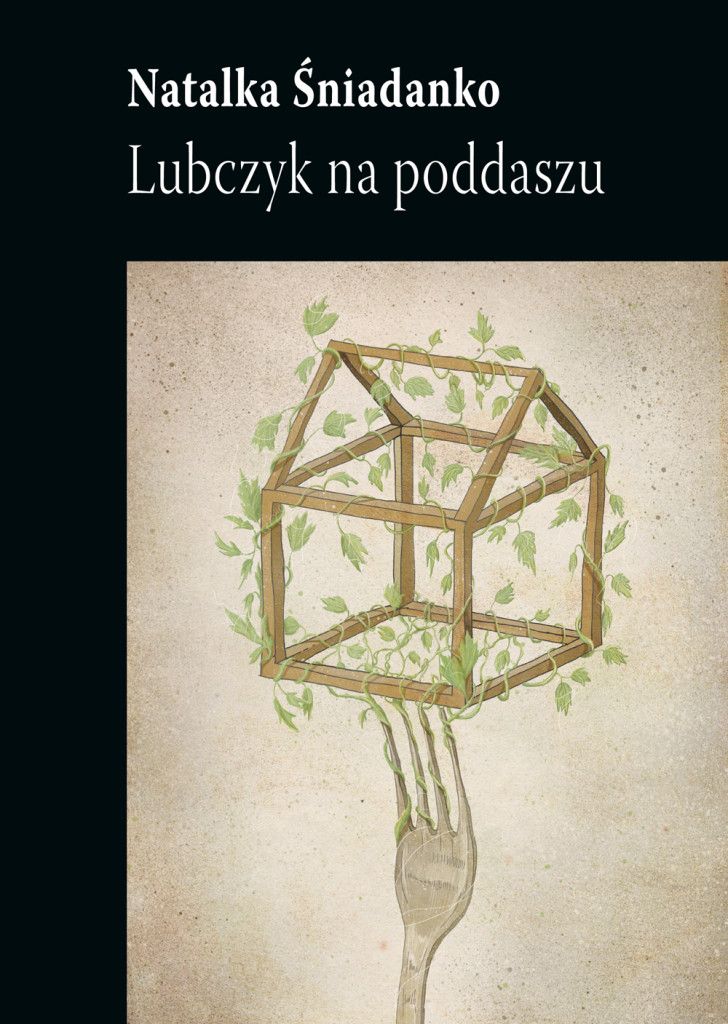
Lubczyk na poddaszu
Language: Polish
Translator: Ksenia Kaniewska
Year: 2014
Publisher: Biuro Literackie
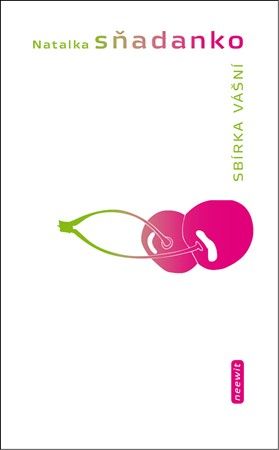
Sbírka vášní
Language: Czech
Translator: Rita Ida Kindlerová
Year: 2011
Publisher: Kniha Zlín
The Guardian
Literature as last bastion: Natalka Sniadanko on suppression, solidarity and language in Ukraine
By Natalka Sniadanko for The Writing Life Around the World from Electric Literature, part of the Guardian Books Network
The Ukranian author explains why professional writers simply ‘do not exist’ in her country in this essay about its literature and culture.
Selected Awards and Honours
Angelus Central European Literature Award, longlist, for Archduke Wilhelm's Ordinary Exercise Books — Poland, 2023
PEN Ukraine, "Best Ukrainian Books of 2021," Ukrainian Prose category, for The First Investigation of the Empress — Ukraine, 2021
Angelus Central European Literature Award, longlist, for Frau Müller Does not Wish to Pay More — Poland, 2020
Translators Award of the Austrian Federal Ministry of Education, Arts and Culture, for translation of Elfriede Jelinek's The Piano Teacher — Austria, 2016
Joseph Conrad Korzeniowski Literary Prize — Poland, 2011
Selected Residencies and Fellowships
Writer-in-Residence, Larnaca — Cyprus, 2026
Writer-in-Residence, German Literature Archive Marbach — Germany, 2022
Paul Celan Scholarship for Translators, Institute for Human Sciences — Austria, 2017
Schritte Grant, S. Fischer Foundation (LCB Berlin) — Germany, 2016
Gaude Polonia Stipendium — Poland, 2012
Akademie der Künste Scholarship (Berlin-Stipendium) — Germany, 2007
Mercator Stiftung Scholarship, Kreisau — Poland, 2005
Gaude Polonia Stipendium — Poland, 2003
Selected International Events & Appearances
The Female Gaze: Women's Perspectives in Literature, Time of the Writer Festival — South Africa, 2026
Budapest International Book Festival — Hungary, 2026
Leipzig Book Fair — Germany, 2026
Guadalajara International Book Fair — Mexico, 2025
Leipzig Book Fair — Germany, 2025
Buch Wien — Austria, 2024
Frankfurt Book Fair — Germany, 2024
Conrad Festival — Poland, 2024
Leipzig Book Fair — Germany, 2024
Frankfurt Book Fair — Germany, 2022
Gothenburg Book Fair — Sweden, 2022
Góry Literatury Festival — Poland, 2022
Leipzig Book Fair — Germany, 2012
Bibliography
Novels
The Passion Collection / Колекція пристрастей, або Пригоди молодої українки (2001)
Syndrome of Sterility / Синдром стерильності (2006)
Thyme in Milk / Чебрець у молоці (2007)
Insects' Bungee / Комашина тарзанка (2009)
Herbarium of Lovers / Гербарій коханців (2011)
Frau Müller Does not Wish to Pay More / Фрау Мюллер не налаштована платити більше (2013)
Archduke Wilhelm's Ordinary Exercise Books / Охайні прописи ерцгерцога Вільгельма (2017)
The First Investigation of the Empress / Перше слідство імператриці (2021)
Murders in the Burgtheater / Убивства в Бурґтеатрі (2024)
Short story collection
Seasonal Sale of Blondes / Сезонний розпродаж блондинок (2005)
Children's literature
The Land of Broken Toys and Other Journeys / Країна поламаних іграшок та інші подорожі (2008)
Recommended events