Spotlight on Ukraine — Three Awards That Define Great Theatre

GRA Festival-Award
The GRA Festival-Award ("Great Real Art") is Ukraine's national theatre festival, established in 2018 by the National Union of Theatre Workers of Ukraine.
This annual celebration brings together the best of Ukrainian theatre from across the country, showcasing everything from classical drama to experimental opera. It's where established state theatres meet scrappy independent companies, creating a vibrant snapshot of Ukraine's theatrical landscape. Think of it as Ukraine's answer to France's Molière Awards, Britain's Olivier Awards, or America's Tony Awards – but with its own distinct character.
The festival runs a year-long selection process that begins with theatres submitting their productions early in the year. By March, Ukrainian experts review video submissions and announce the longlist. Over the summer, these experts travel to see shows live and narrow down the selection to create a shortlist. The culmination comes in November with the festival in Kyiv, where an international jury of five theatre professionals watches all shortlisted productions and selects winners across 14 categories.
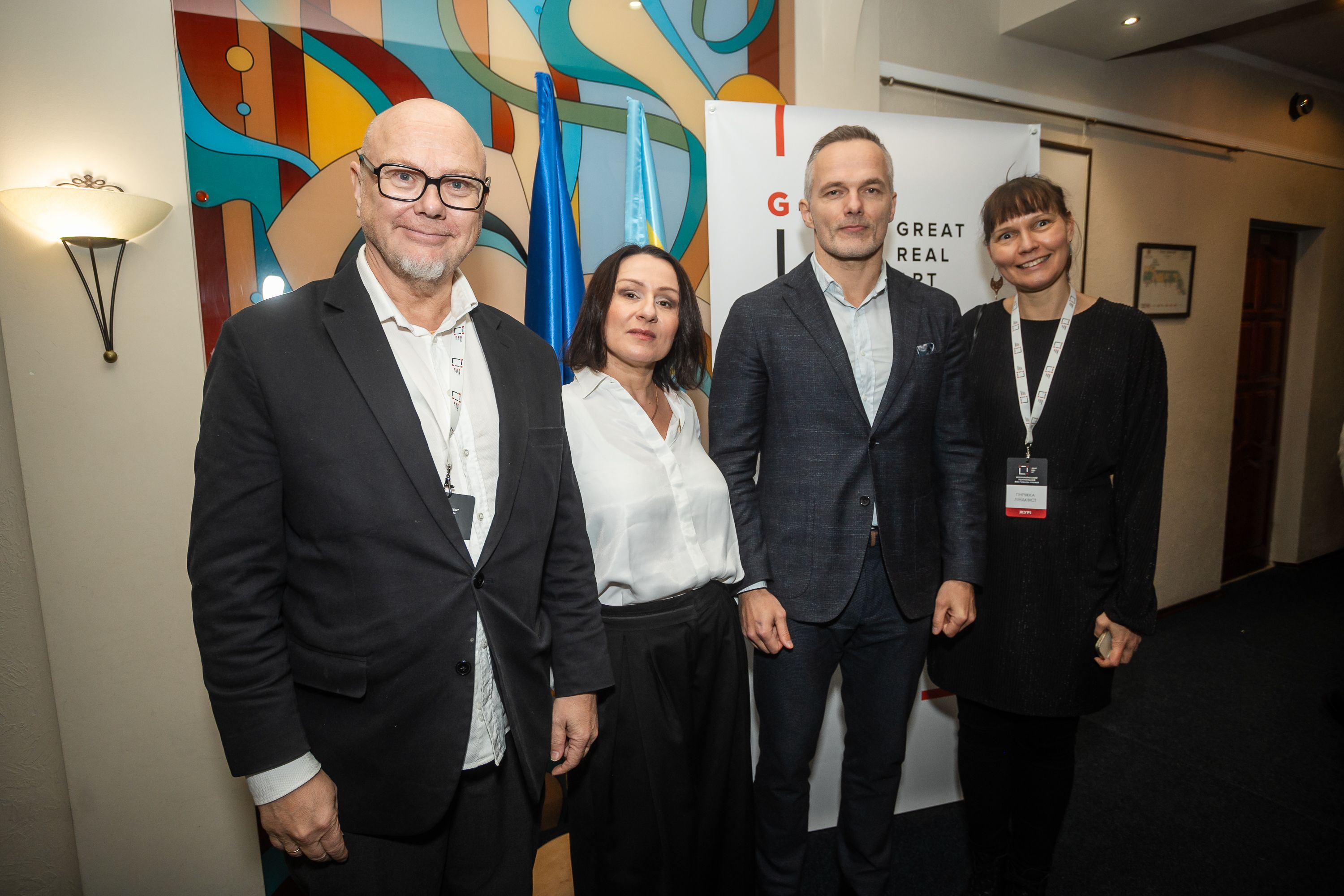
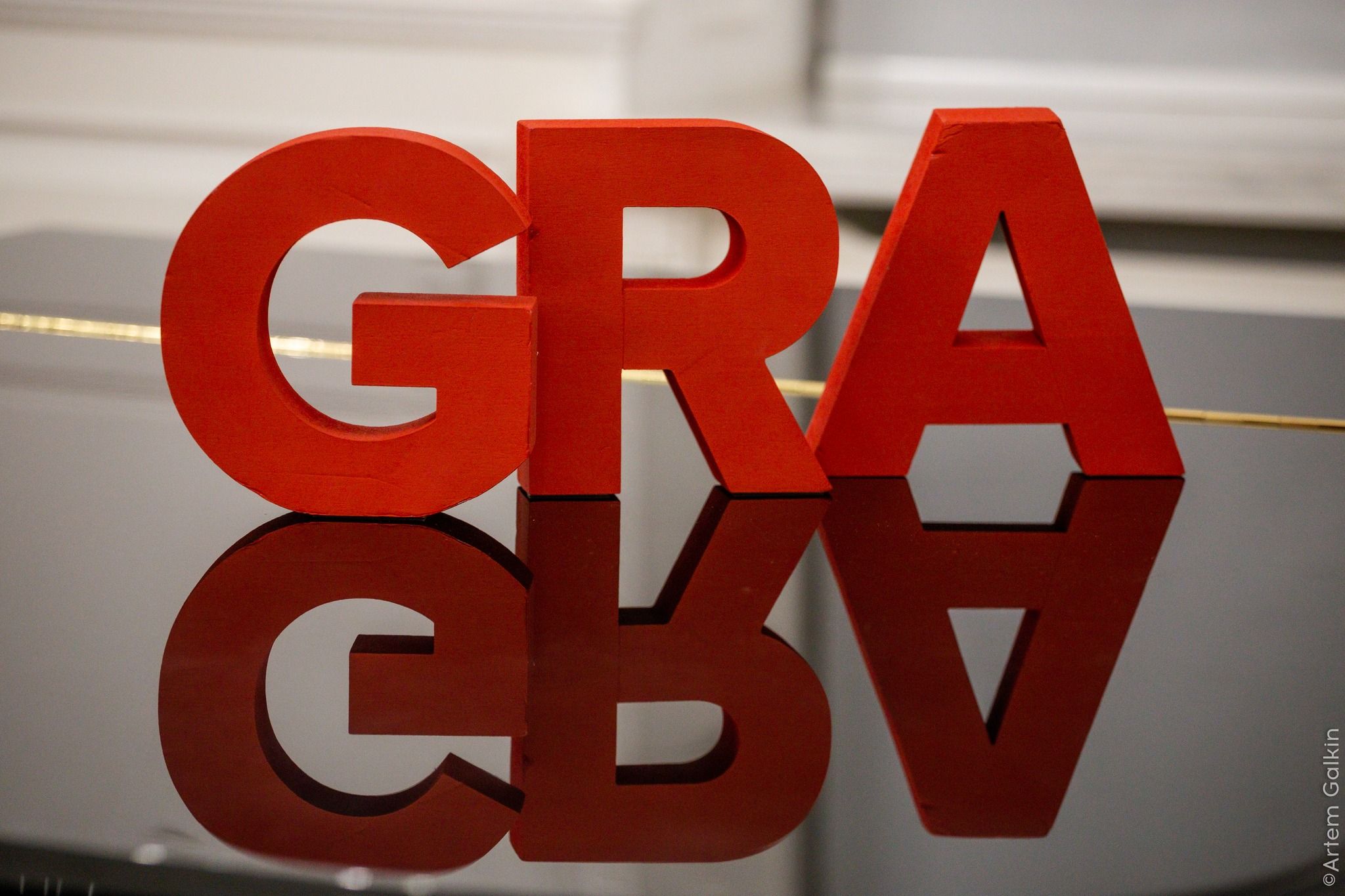
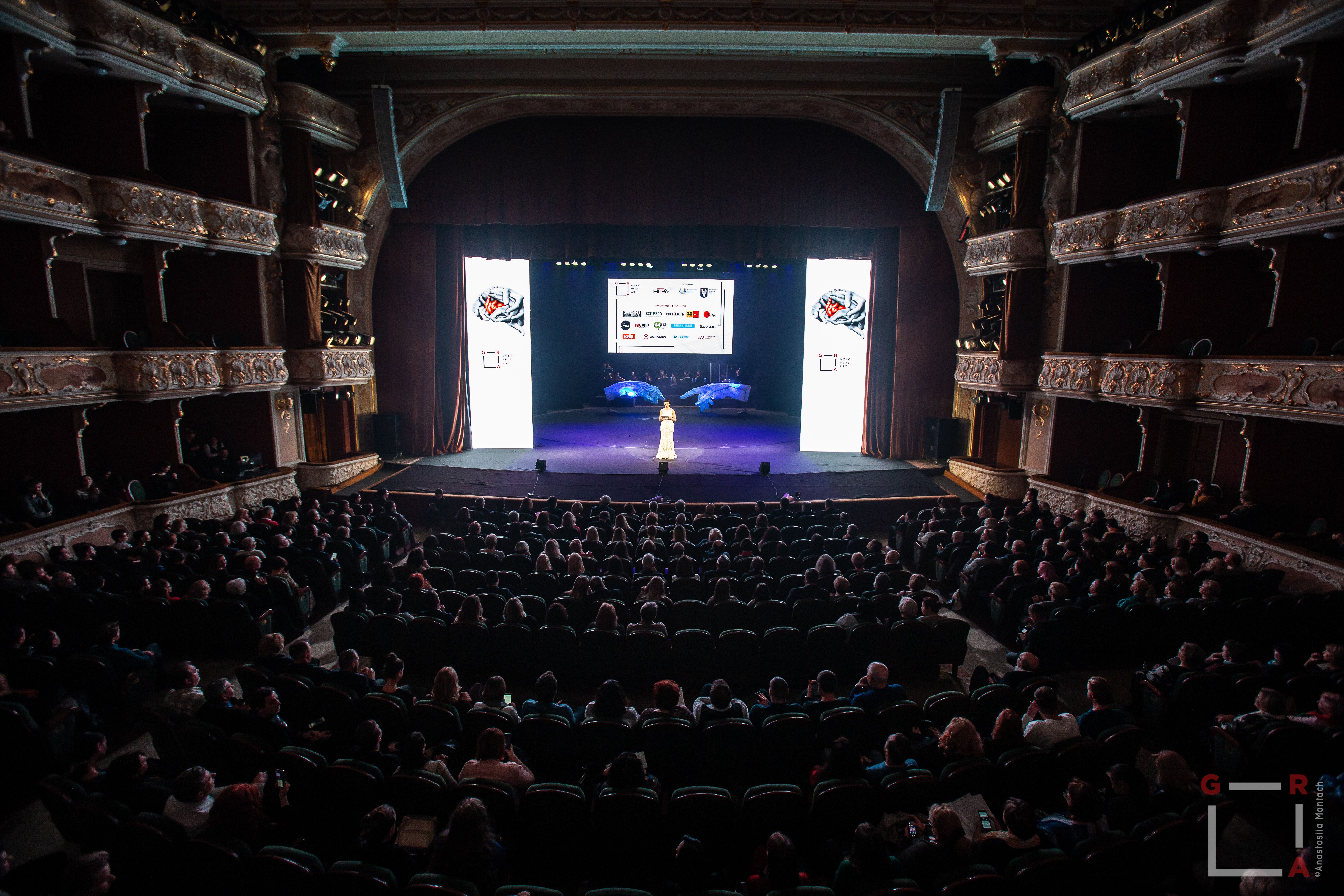
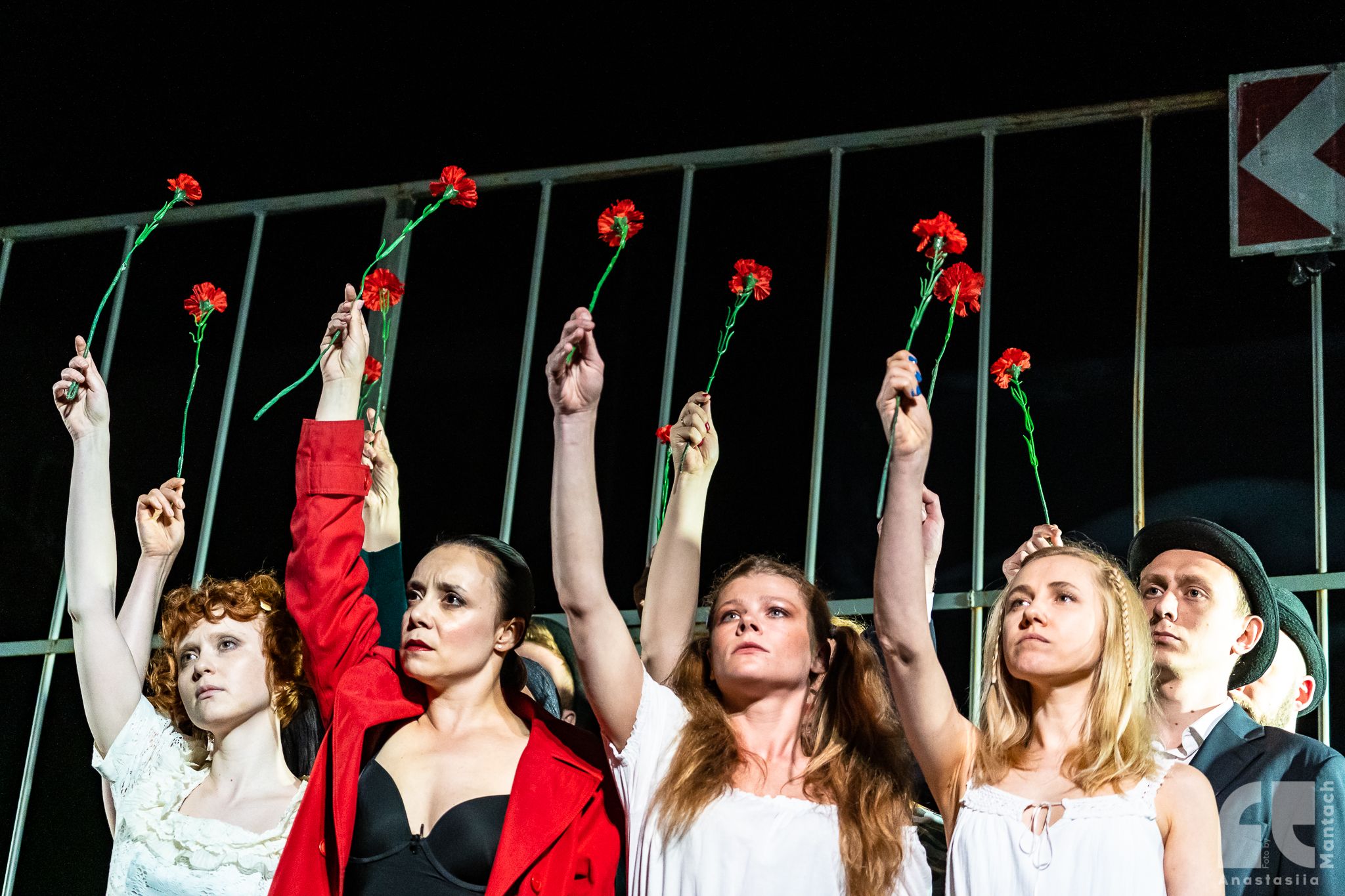
GRA international jury (2024): Jørgen Knudsen, Ewa Bal, Meelis Oidsalu, Hinriikka Lindqvist (from left to right). Photo: Artem Halkin; GRA Festival-Award. Photo: Artem Halkin; GRA Award Ceremony (2019). Photo: Anastasiia Mantach.
What started with 70 applications in 2018 has grown to around 140 in 2025, showing how the festival has become essential to Ukraine's theatre community. The quality speaks for itself: GRA winners have gone on to international acclaim.
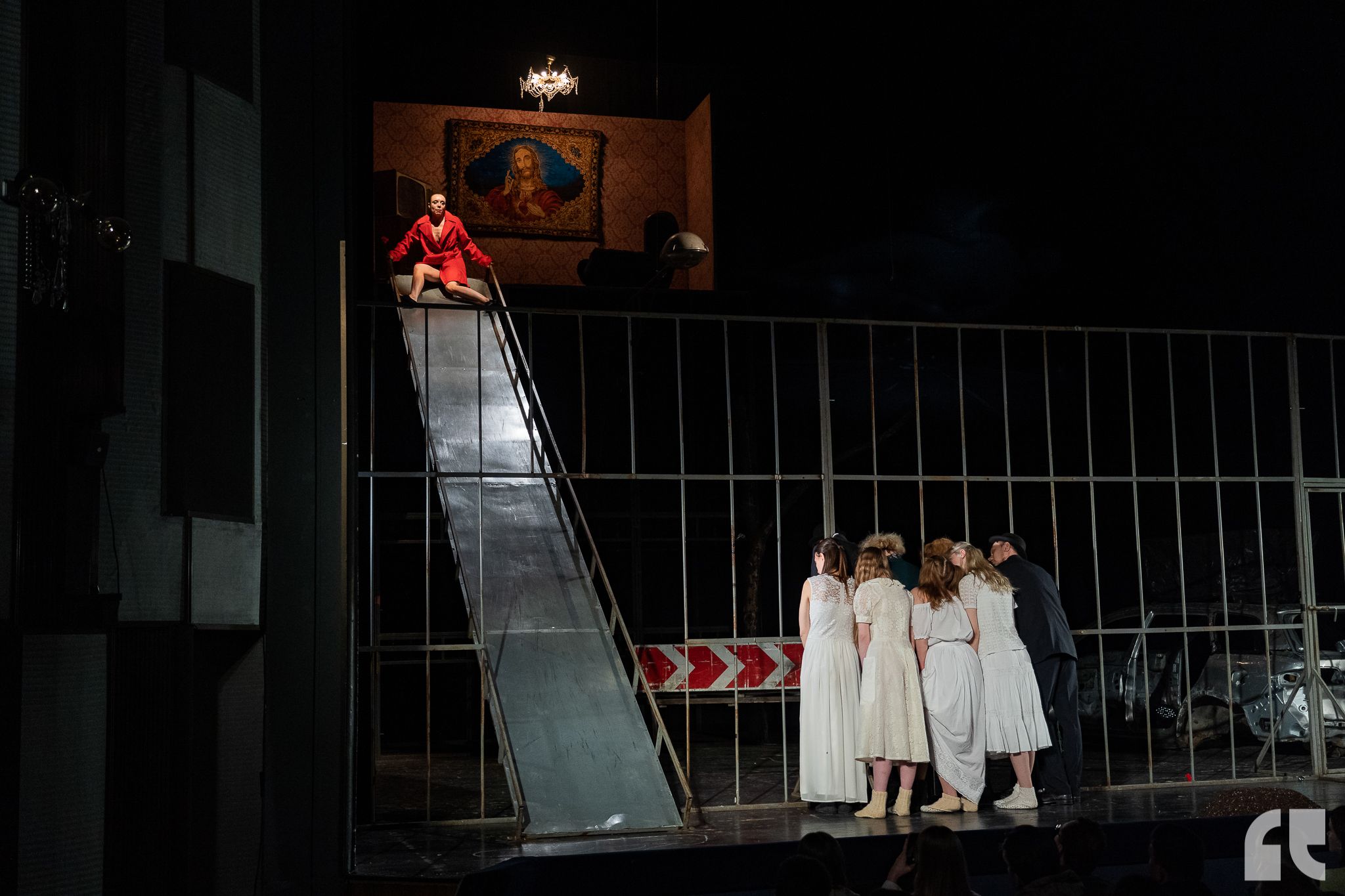
Bad Roads, a powerful drama about diverse human experiences during war by playwright Natalka Vorozhbyt and director Tamara Trunova about war's impact on ordinary people, won three GRA awards in 2019 before earning Ukraine's highest cultural honour and touring across Europe. Vorozhbyt later adapted and directed it as a film that became Ukraine's entry for the Academy Awards.
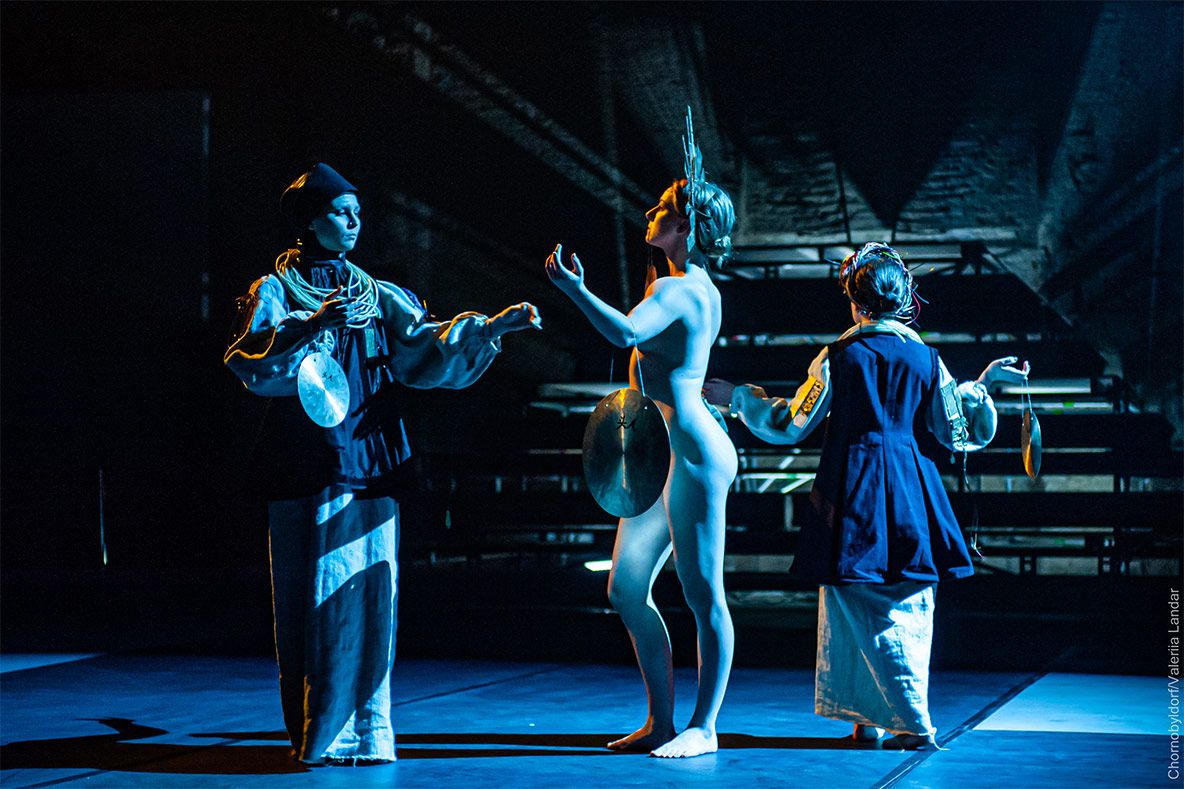
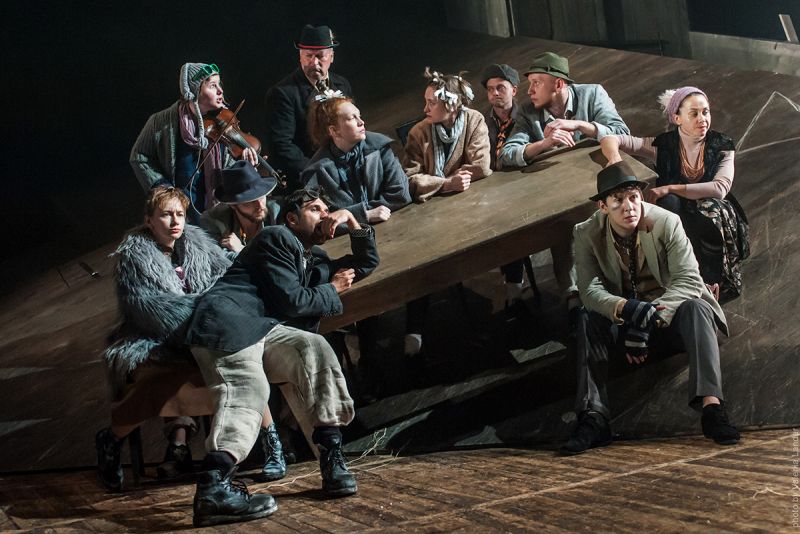
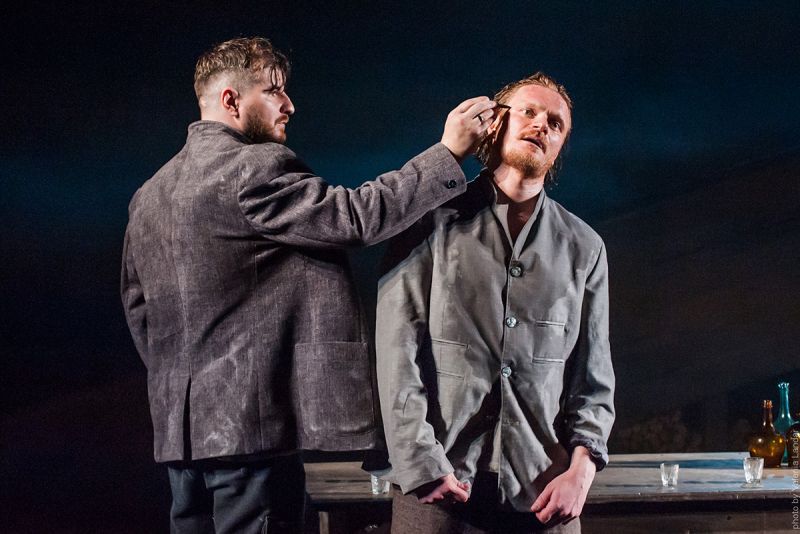
The independent opera Chornobyldorf by Opera Aperta broke records with five GRA awards in 2021, later earning international recognition from Music Theatre Now and Britain's Royal Philharmonic Society, with The Times calling it "a contemporary Ukrainian masterpiece that everyone should see."
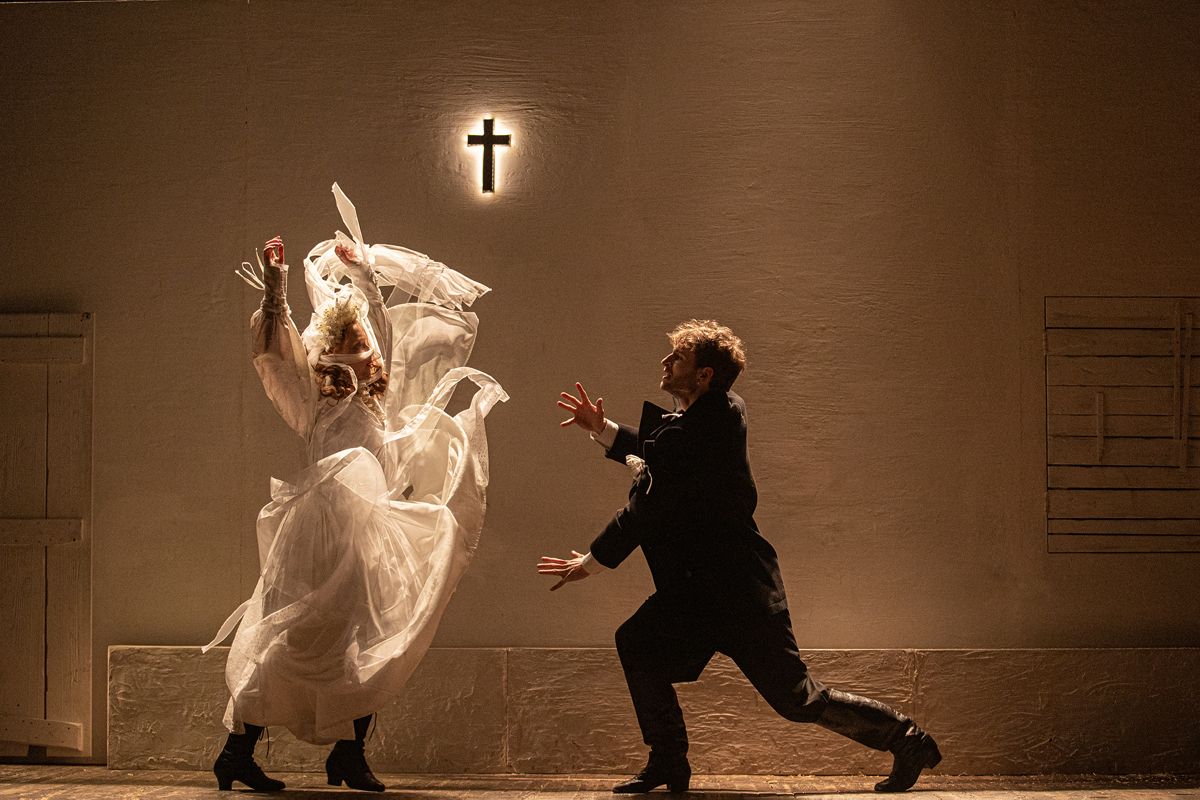
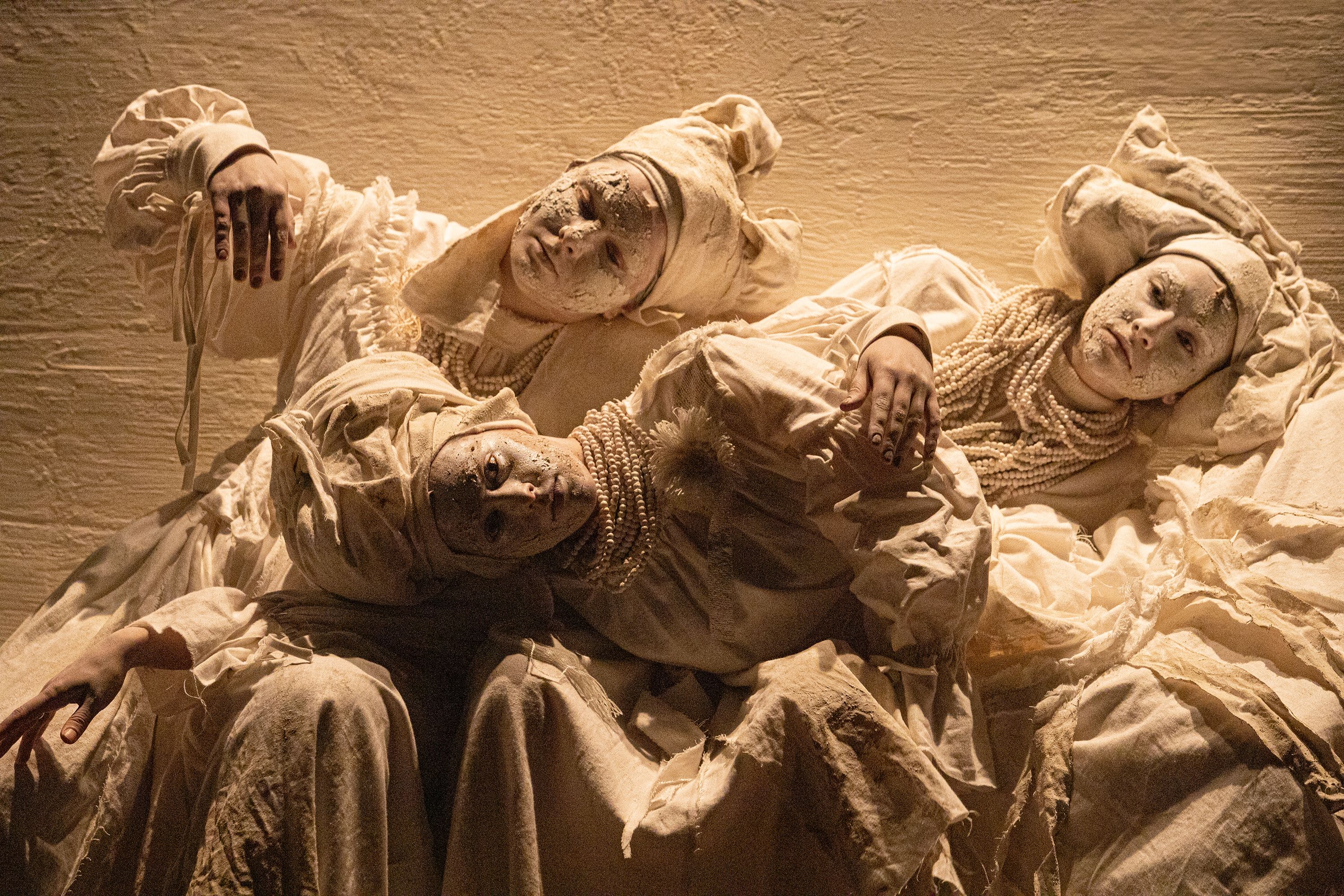
Bad Roads by Left Bank Theatre. Photo: Oleg Perverzev; Chornobyldorf by Opera Aperta. Photo: Valeriia Landar.
Les Kurbas Prize
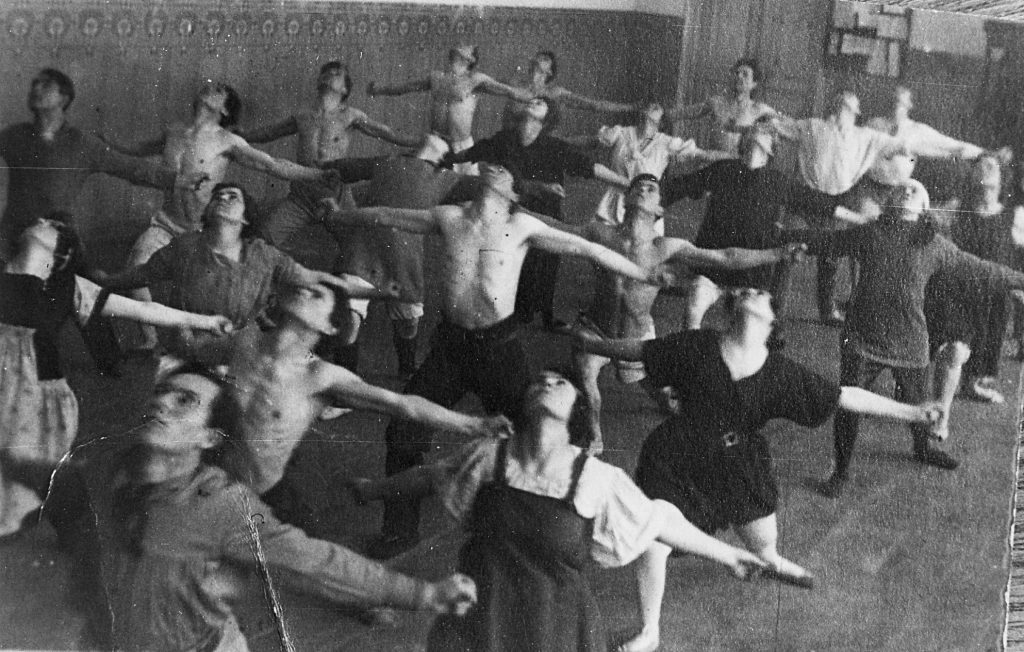
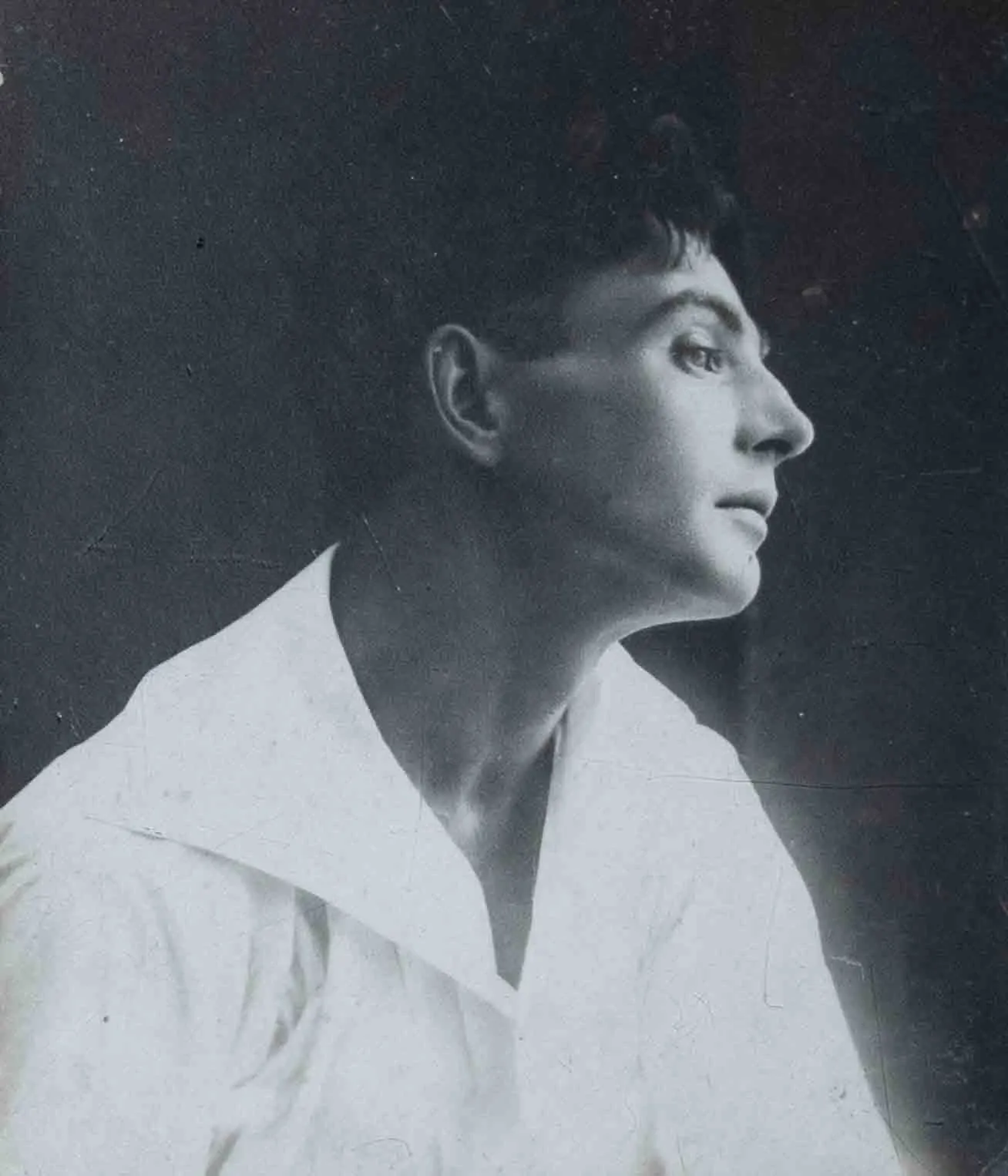
The Les Kurbas Prize stands as Ukraine's theatre award, honouring directors who bridge Ukrainian artistic traditions with contemporary European theatre. Named after Les Kurbas, a groundbreaking Ukrainian director who revolutionised the country's theatre before falling victim to Stalin's regime in 1937, the award carries both artistic and historical significance.
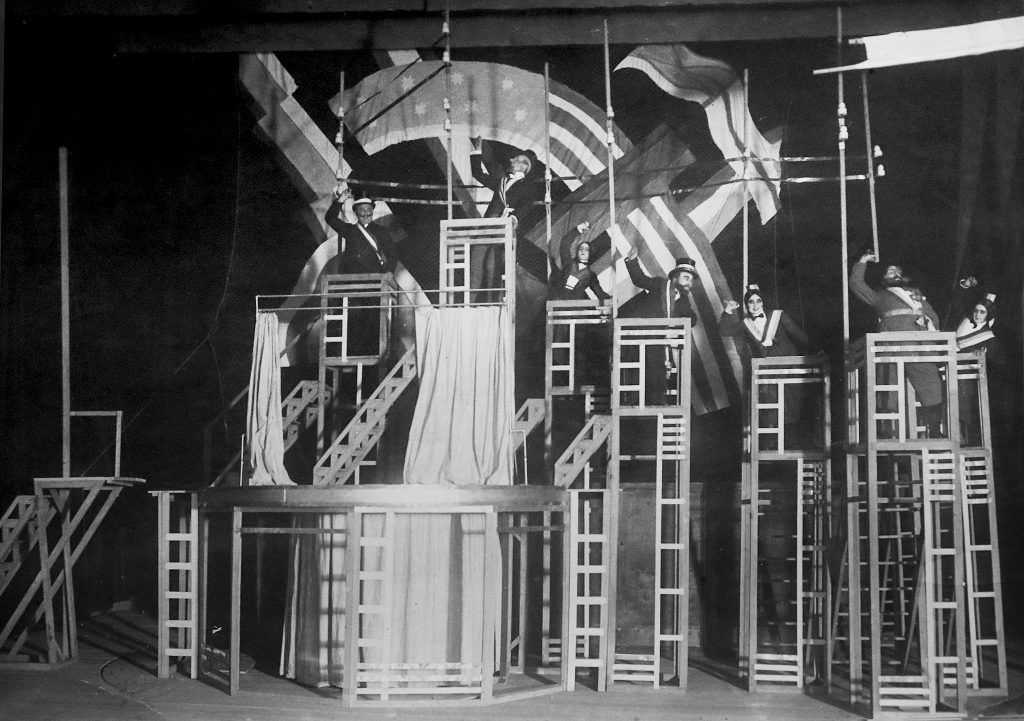
Movement class at the Berezil. Photo courtesy of Virlana Tkacz (personal archive); Les Kurbas. Photo courtesy of Open Kurbas; Scene from “Jimmie Higgins” — translated, adapted and dramatised by L.Kurbas from the novel by Upton Sinclair, 1923. Photo courtesy of Virlana Tkacz (personal archive).
Awarded annually in February on Kurbas's birthday, the prize celebrates directors who demonstrate artistic exploration, stage experimentation, and cultural integration in their work.
The award holds a similar place in Ukraine as the Europe Theatre Prize, Britain's Laurence Olivier Awards, France's Molière Prize, or America's Obie Awards – marking exceptional achievement in theatrical arts.
Notable recipients include:
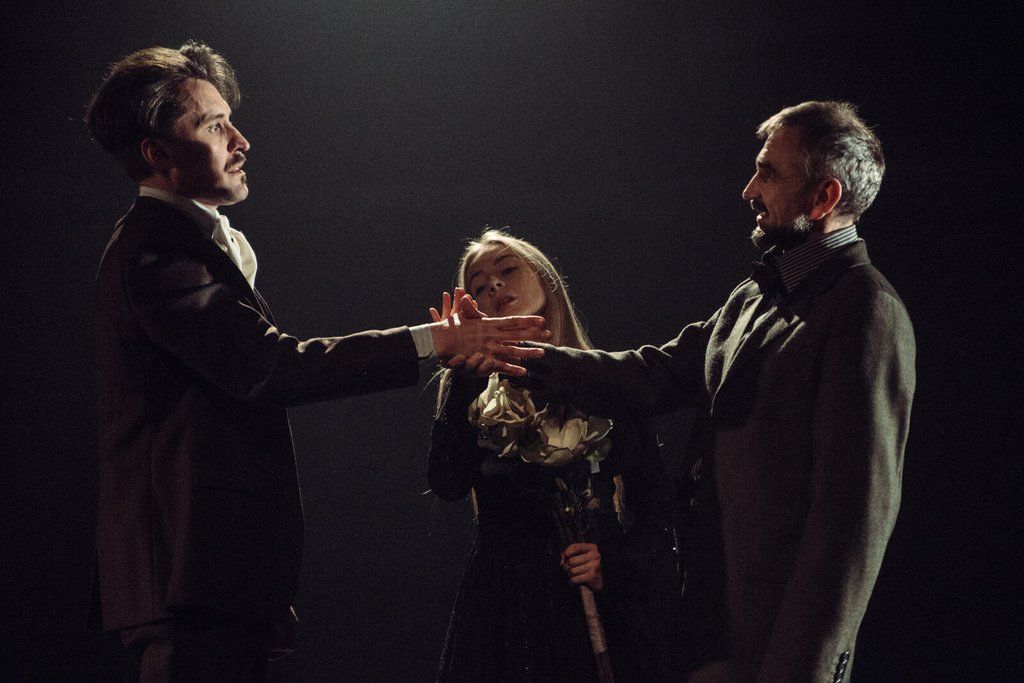
Ivan Uryvskyi, recognised in 2019 for Crossroads (with other acclaimed productions like Caligula, The Witch of Konotop and Maria Stewart.)
Written by Ivan Franko, a pioneering Ukrainian writer and social activist, Crossroads follows lawyer Yevhen Rafalovych during political upheaval at the turn of the 19th century. Franko, drawing from his own experiences as an intellectual fighting for justice, crafted this story of a man torn between personal ideals and the harsh realities of changing society.
Dmytro Bohomazov, honoured in 2021 for The Stolen Happiness, another influential text by Ivan Franko that remains his most performed theatrical work. Examining a love triangle that emerges when a soldier returns home, Franko created a poignant exploration of arranged marriages, personal freedom, and impossible choices.
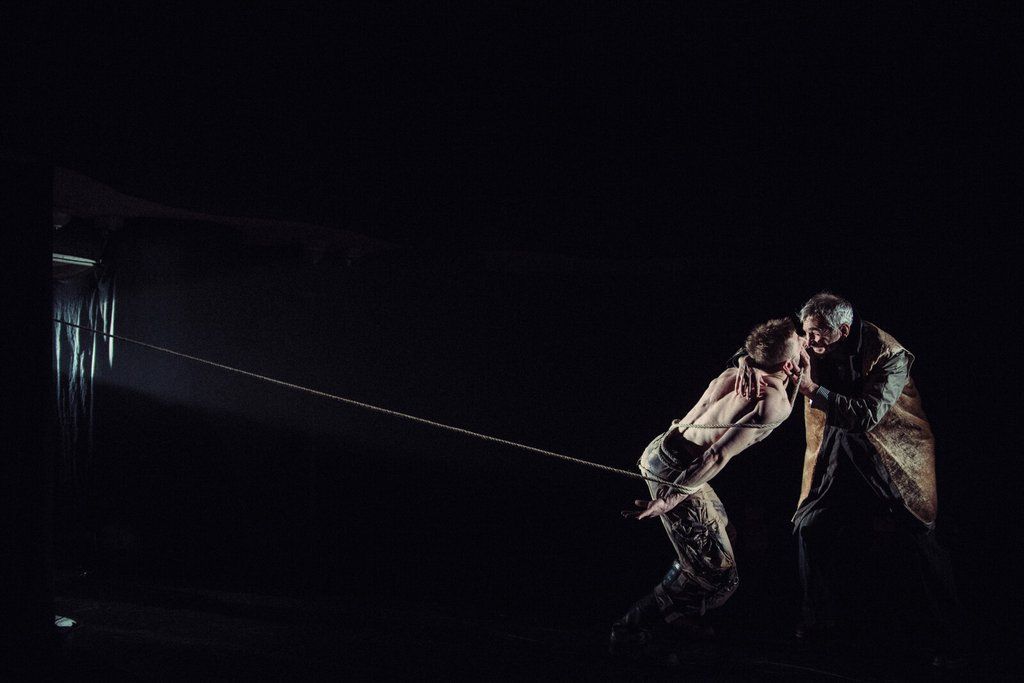
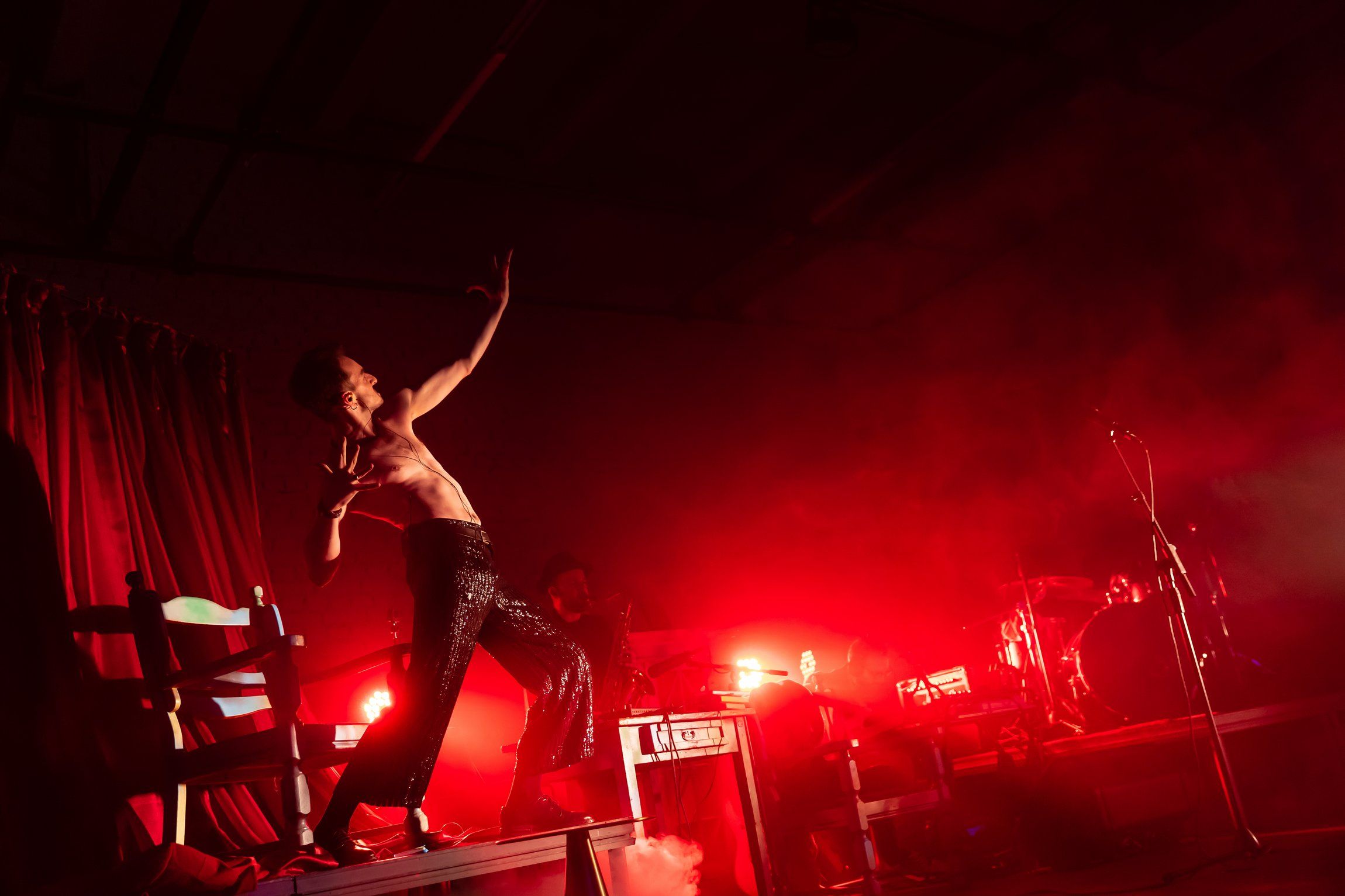
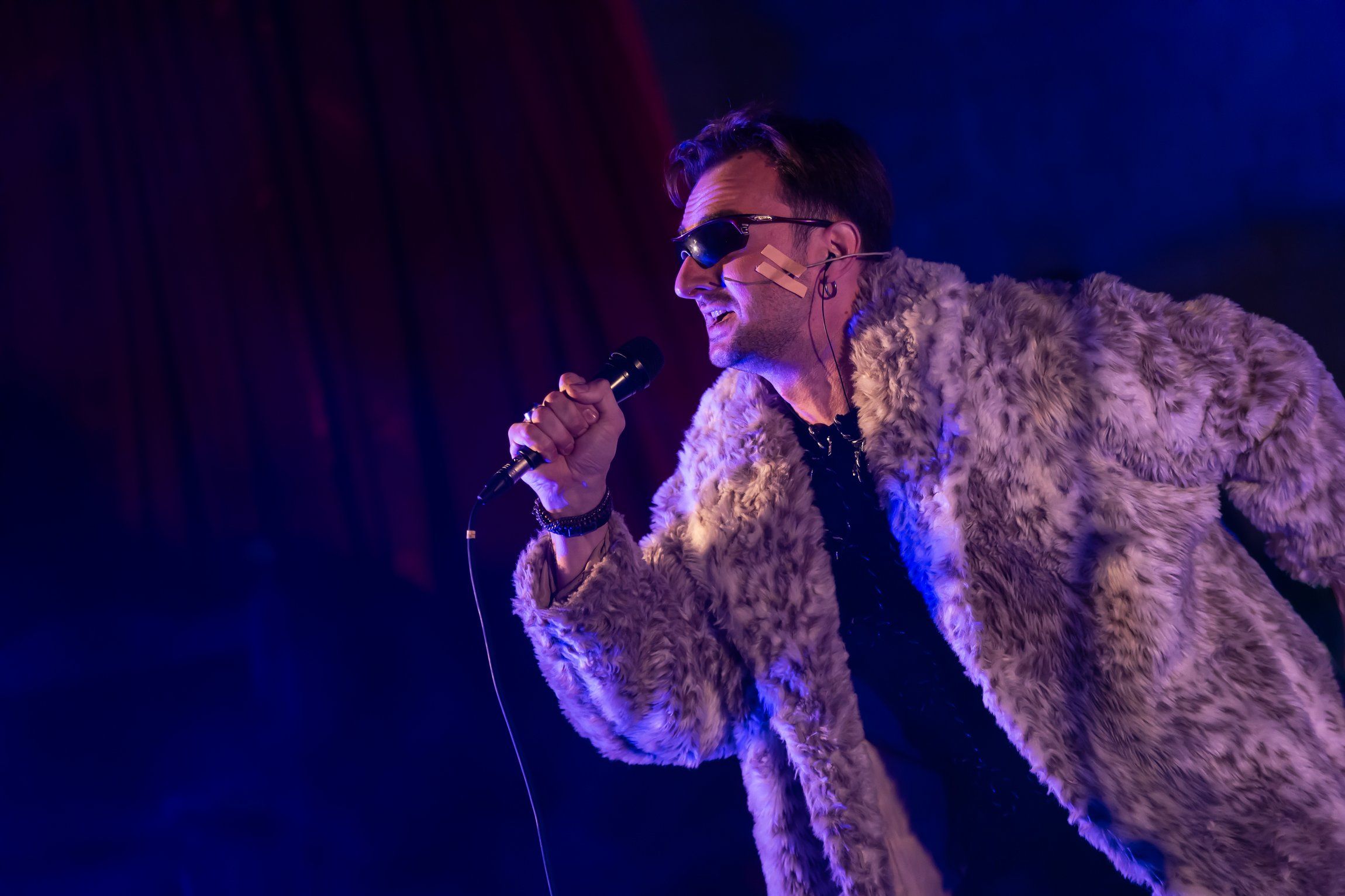
Artem Vusyk, who in 2024 became the first winner from Nafta independent theatre for his powerful one-man show Rainbow on Saltivka.
This chamber performance with live instrumental music is an invitation to rediscover Saltivka, a district in Kharkiv often seen as rough and unruly, not just as a place, but as a living story.
Crossroads by Les Kurbas Theatre. Photo: Daria Bedernichek; Rainbow on Saltivka by Nafta Theatre. Photo: Oleksandr Osipov; The Stolen Happiness by Ivan Franko National Academic Drama Theatre. Photo courtesy of Ivan Franko National Academic Drama Theatre.
Shevchenko National Prize
The Taras Shevchenko National Prize is Ukraine's state award for exceptional works in literature, arts, journalism, and criticism. Named after Ukraine's beloved national poet, this prize recognises creative works that embody the country's highest artistic achievements, strengthen cultural memory, and contribute to Ukrainian identity and democratic values.
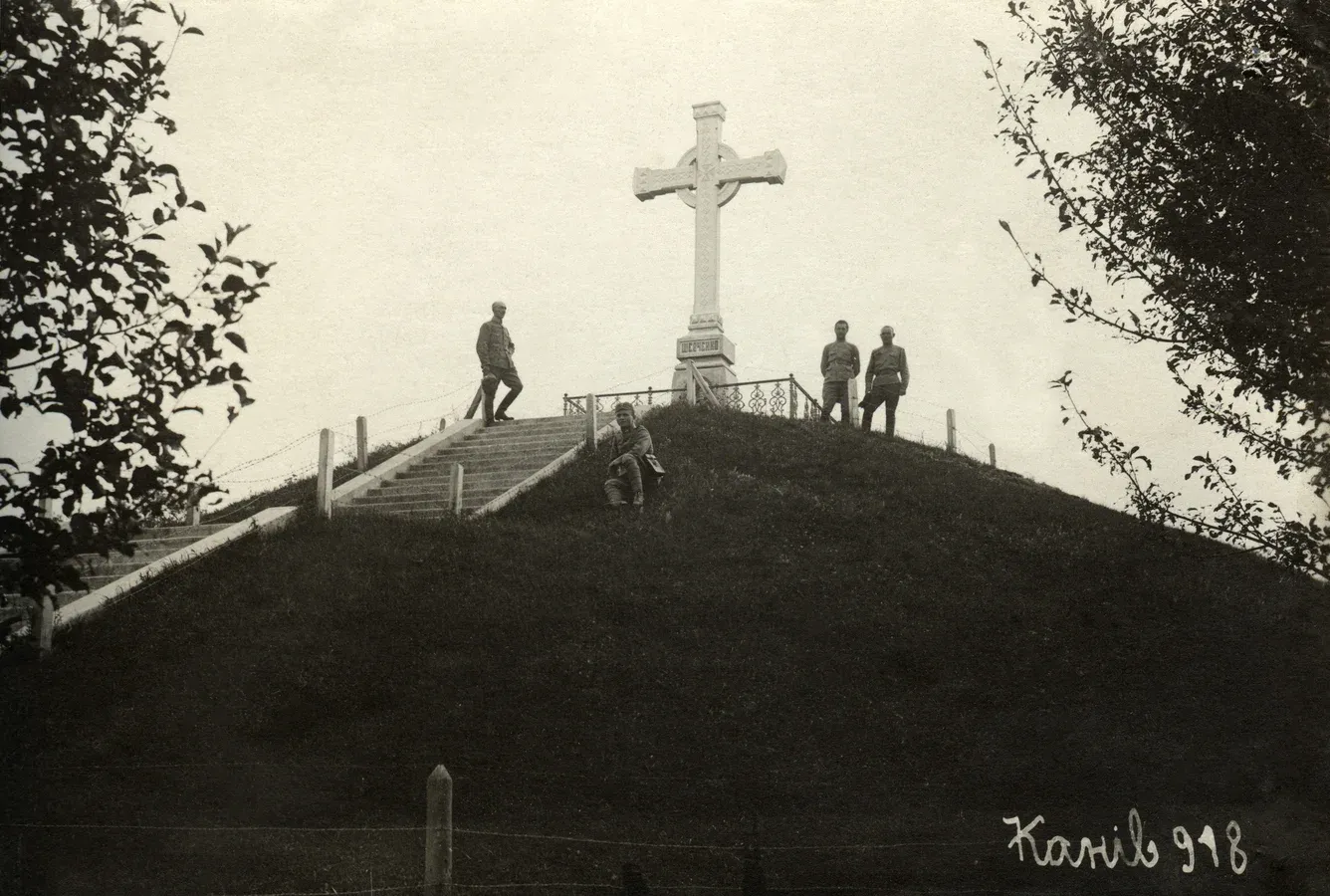
Taras Shevchenko's gravesite in Kaniv (1918). Photo: uk.wikipedia.org.
What sets this prize apart is its remarkable scope and longevity. Established in 1961, it will celebrate its 65th anniversary in 2026, making it one of Europe's most enduring cultural honors.
The prize belongs to a family of major European cultural awards named after beloved national writers—France's Goncourt Prize, Germany's Goethe Prize, Spain's Cervantes Prize, and Italy's Dante Alighieri Prize. Like these other awards, the Shevchenko Prize celebrates works that capture and strengthen national culture. The key difference is scope: while the European counterparts focus primarily on literature, Ukraine's Shevchenko Prize covers thirteen different areas, including, but not limited to, theatre, music, visual arts, cinema, and journalism alongside literature.
The awards are presented annually on March 9th, Taras Shevchenko's birthday.
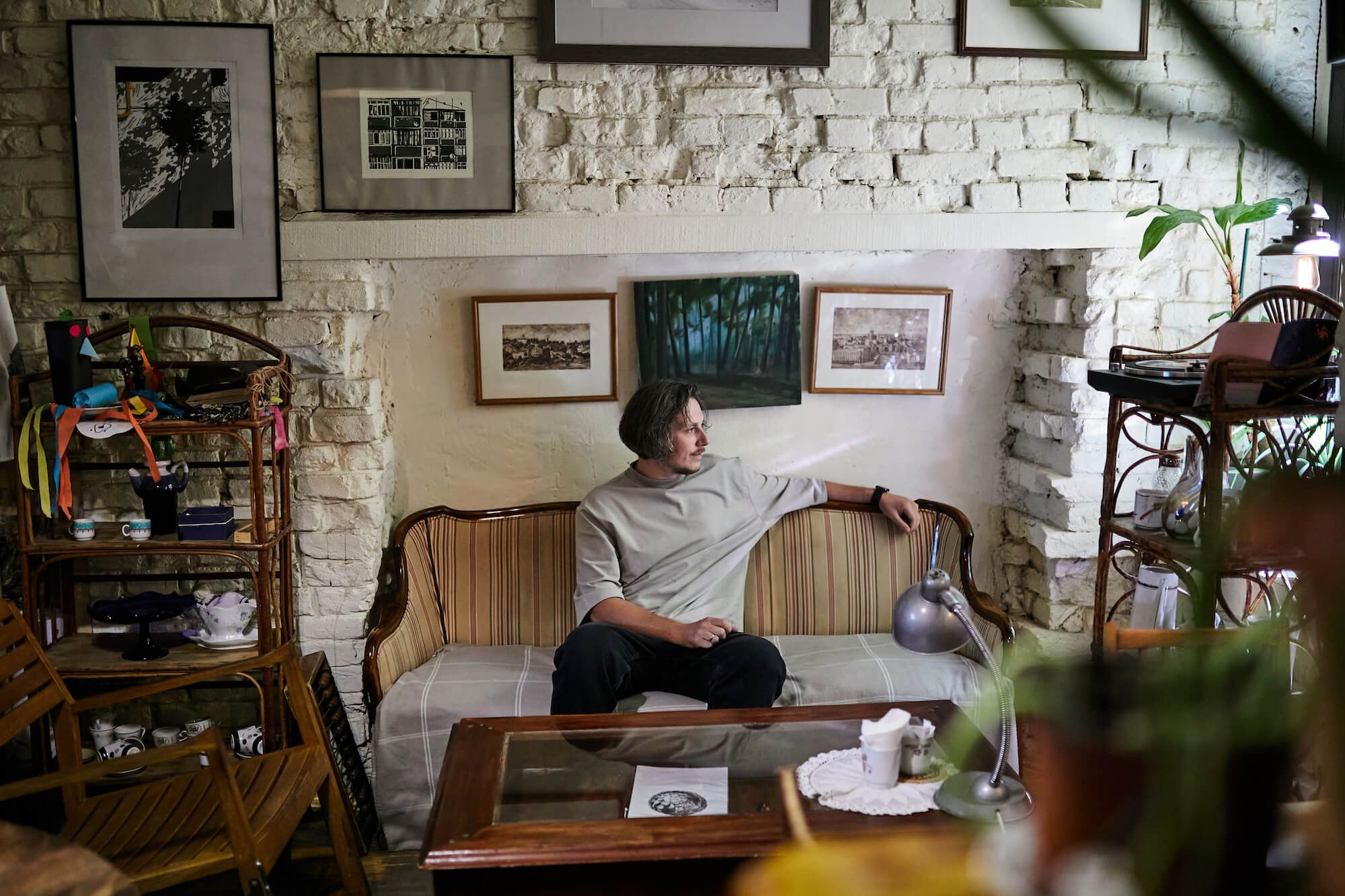
Ivan Uryvskyi for The Ukrainians. Photo: Katya Akvarelna.
Recent theatre recipients include:
Vasyl Vovkun (2025) for his operatic and ballet productions at Lviv National Opera. One of them being Shadows of Forgotten Ancestors. Based on Mykhailo Kotsyubynskyi's internationally acclaimed novel, this new, entertaining neo-classical ballet with a live orchestra tells the story of a short-lived, like spring, earthly and divine love between Ivan and Marichka.
Ivan Uryvskyi (2024) for his staging of The Witch of Konotop at the Ivan Franko National Theatre. Ivan Uryvskyi successfully brings the archetypal story told by the Ukrainian author Hryhorii Kvitka-Osnovianenko 200 years ago, to life on a large theatrical stage in the burlesque genre.
Tamara Trunova (2022) for her production of Bad Roads at the Left Bank Theatre, based on Natalka Vorozhbyt's play (mentioned earlier among GRA Festival-Award winners).
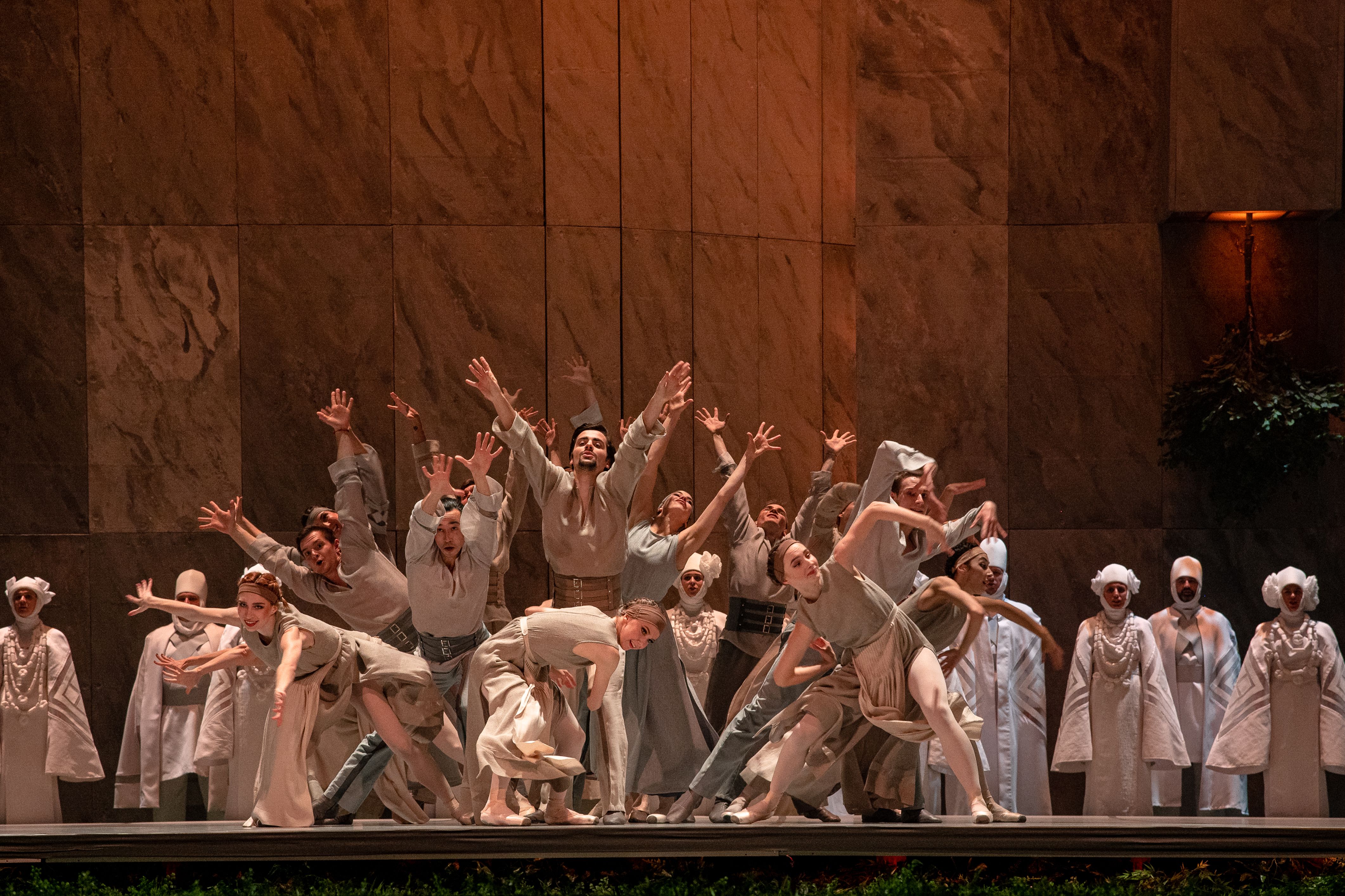
The Witch of Konotop by Ivan Frank National Theatre. Photo: Julia Weber; Shadows of Forgotten Ancestors by Lviv National Opera. Photo: Evgeny Kraws.